Special Bar Furnishings: A Complete Guide to Types and Features
From counters to technical accessories, a detailed overview of the main bar furnishings and of the features to consider when creating a functional, welcoming environment suited to professional needs.
-
 author: Internal Editorial Team
The furnishing of a bar is a strategic element that directly affects the customer experience, operational flow, and the identity of the establishment. Whether it is a new opening or a partial renovation, knowing the types of professional furnishings and their technical features allows for more informed, efficient, and long-lasting choices.
In this in-depth guide, we analyse the main categories of bar furnishings, the most commonly used materials, the integrated technologies, and the criteria to consider before purchasing. In some cases, such equipment can also be sourced through auctions or alternative channels, offering additional opportunities for savings without compromising on quality.
Bar furnishings: all the main types
Bar counter: the operational heart of the venue
The counter is the most recognisable and frequently used area within a bar. It must be functional, ergonomic, and able to withstand high work rhythms.
Features to evaluate
-
Structure: can be modular, in stainless steel or technical wood, with customisable coverings.
-
Module depth: essential for staff ergonomics.
-
Cocktail/coffee station: inclusion of ice wells, speed racks, ingredient trays, coffee area with space for machines and grinders.
-
Technical ducting: passages for water, electrical systems, and drainage.
Most common materials
-
Stainless steel (hygiene and durability)
-
Laminated or layered wood (warmer design)
-
Solid surfaces such as Corian (resistance and customisation)
Back bar: organisation and refrigeration
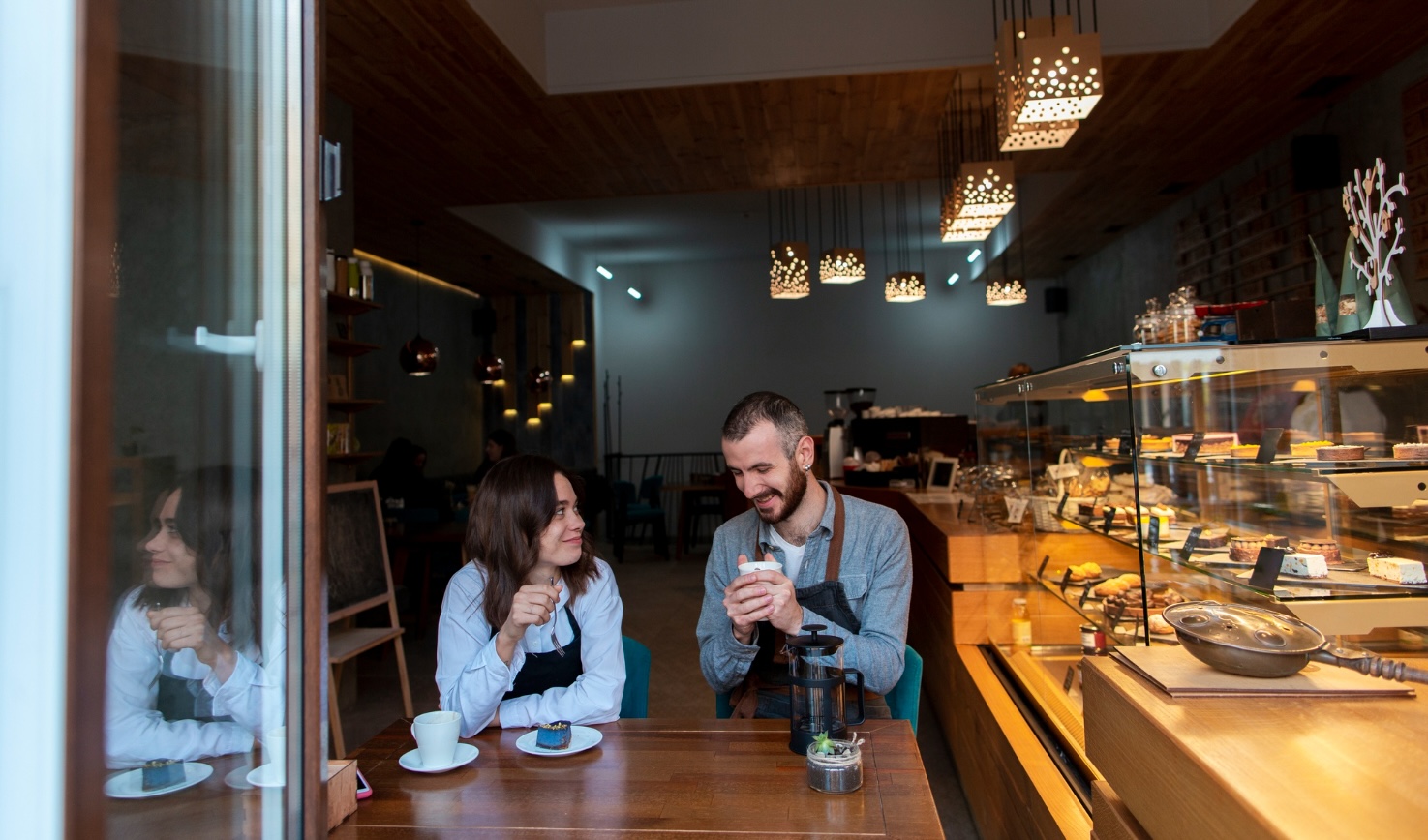
The back bar completes the counter and houses refrigeration systems, shelving, and support surfaces.
Typical components
Back-bar refrigerators with solid or glass doors
-
Refrigerated display cases for pastries or snacks
-
Bottle-holding columns
-
Illuminated shelves for displaying spirits and wines
-
Refrigerated drawers for milk, creams, and toppings
Why it is essential
It ensures order, accessibility, and service speed—key elements for a bar’s profitability.
Professional coffee equipment
The coffee area requires reliable equipment calibrated to the venue’s needs.
Essential equipment
-
Professional coffee machine (1–3 groups, insulated boiler, advanced extraction systems)
-
On-demand coffee grinder
-
Milk frother or steam wand
-
Cleaning and descaling kit
-
Water softener for longer component lifespan
Evaluation criteria
-
Energy consumption
-
Thermal stability
-
Ease of maintenance
-
Presence of smart technologies for remote control and optimisation
Tables, seating, and stools: comfort and layout
The customer area needs a balance of design, practicality, and functionality.
Most common materials
-
Laminated tables: resistant to wear and easy to sanitise
-
Metal or wooden stools with ergonomic seats
-
Upholstered or technical chairs depending on the venue’s identity
-
HPL table tops for high resistance to heat and scratches
Selection criteria
-
Available space
-
Target audience (quick breakfasts, cocktail bar, bistro)
-
Material durability and resistance
-
Aesthetic consistency with the rest of the furnishing
Display cases: enhancing products
Display units are essential to increase sales of pastries, snacks, sandwiches, and deli products.
Main types
-
Heated display cases for deli foods and pastries
-
Ventilated refrigerated display cases for cakes, single-serve desserts, and creams
-
Neutral displays
-
Counter-top display cases for croissants and breakfast pastries
Integrable functions
-
LED lighting
-
Digital thermostats
-
Adjustable shelves
-
Sliding doors to optimise space and service
Preparation and service equipment
Some tools are indispensable to support daily production:
-
Professional bar dishwasher
-
Ice crusher and professional blenders
-
Griddle or toaster
-
Professional mixers
-
Juice and fresh-beverage dispenser columns
-
Ice makers of various capacities
-
Refrigerated cabinets for storing beverages and food
All of this equipment must be sized according to customer volume and the proposed menu.
Outdoor furnishings: durability and practicality
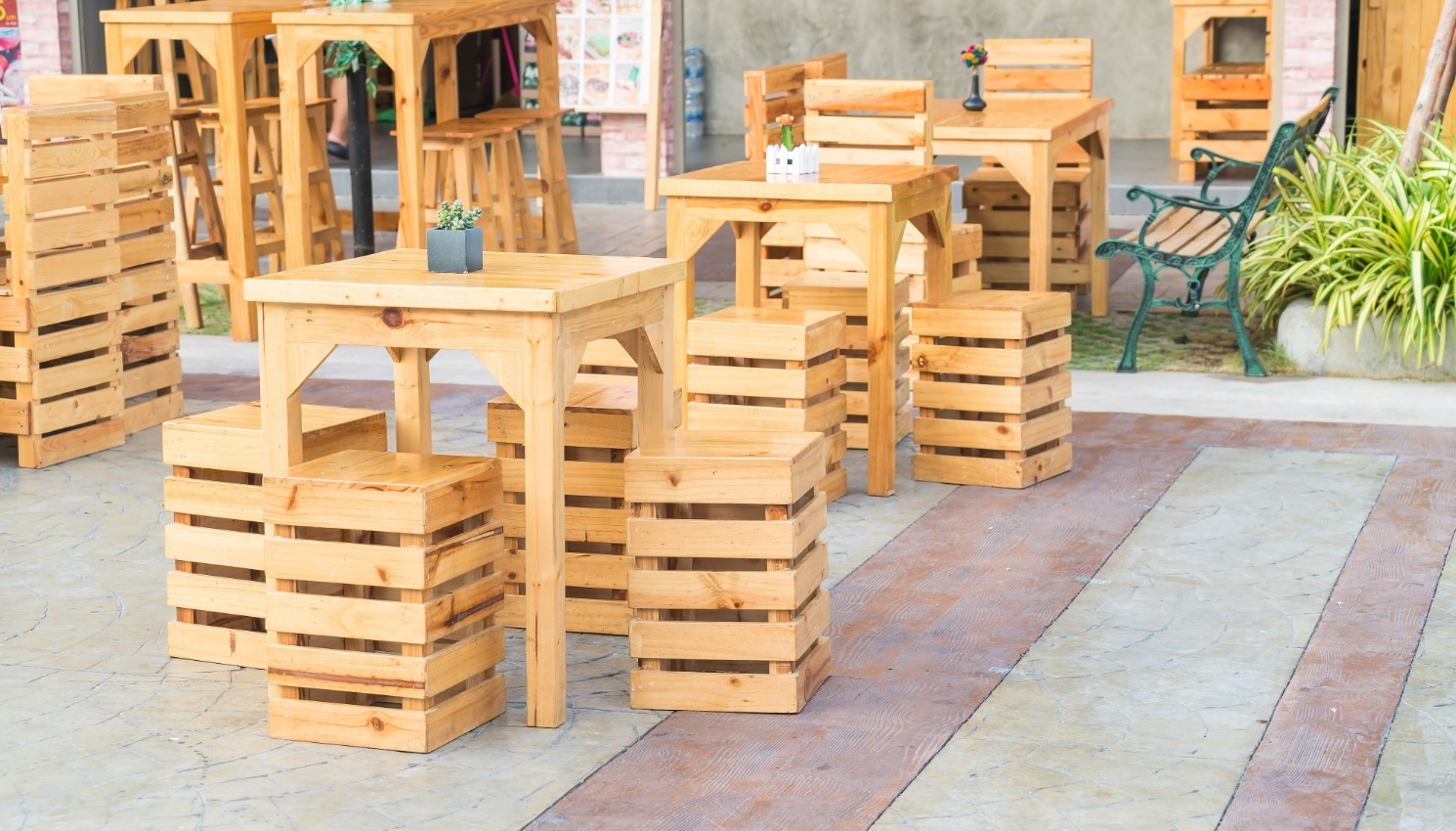
Those who have an outdoor area must select furnishings resistant to weather conditions and easy to stack.
Main elements
-
Tables and chairs in resin, teak, or coated metal
-
Professional umbrellas
-
Windbreak panels
-
Divider planters to define spaces
-
Outdoor LED lighting
Essential features
-
UV resistance
-
Ease of cleaning
-
Controlled weight to avoid tipping
-
Anti-wear and anti-rust treatments
How to choose bar furnishings consciously
Evaluate the venue concept
The bar’s style influences materials, colour palette, type of seating, and counter design.
Analyse available space
It is advisable to create a functional floor plan that includes:
-
staff flow,
-
placement of critical equipment,
-
service and safety areas.
Assess production capacity
Equipment and furnishings must support daily workload without overloads.
Check certifications and hygiene-health standards
Especially for refrigerated equipment, motors, and materials intended for contact with food.
Consider modular and modular-composable solutions
They allow for future upgrades, reducing renewal costs.
Used furnishings and alternative opportunities: when they are worthwhile
The market offers new, semi-new solutions, and in some cases items coming from business closures or venue renovations.
In certain situations, professional furnishings can also be found through auctions, where single lots or complete equipment sets are offered: counters, coffee machines, tables, and refrigerated modules. This option can guarantee savings and variety, provided that the condition of the items and their suitability for the venue’s needs are carefully assessed.
Choosing bar furnishings requires a technical and informed approach. Materials, functionality, ergonomics, and durability are determining factors in building an efficient and enjoyable venue. Investing in quality equipment, updated and consistent with the concept, helps improve operations and ensures reliable service over time.
Correlated Articles
How to Choose a Cold Room for Your Business: A Practical Guide to Key Features
-
author: Internal Editorial Team
Restoration in Collecting: When It’s Useful, When It’s a Risk
-
author: Internal Editorial Team

What is the Reserve Price?
-
author: Internal Editorial Team
Internal Editorial Team
Find our news

Get the most out of your assets.
Discover how to transform your
movable assets into financial resources.