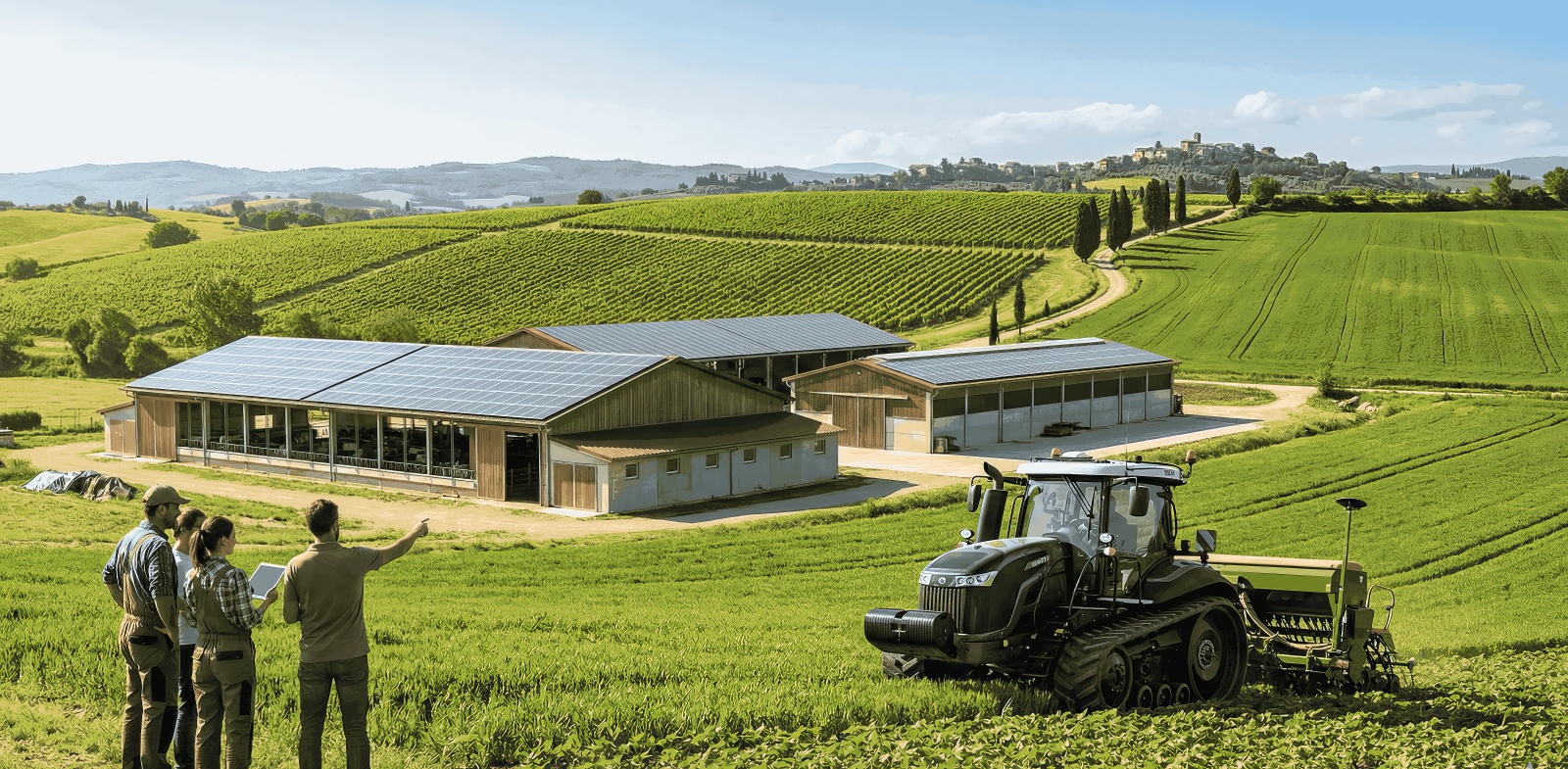
Agriculture Incentives 2026: How to obtain the new 4.0 and Agrisolare grants
2026 marks a turning point for Italy’s primary sector, with the definitive transition from the old tax credits to hyper-depreciation schemes linked to energy efficiency and digitalisation. For companies aiming to renew their machinery fleet or improve the efficiency of production facilities, understanding the hierarchy of the new incentives is essential to maximise return on investment and ensure compliance with European sustainability regulations.
-
 author: Internal Editorial Team

Startup Incentives 2026: How to Turn Grants and Tax Measures into a Growth Strategy
Why a “strategy for incentives” is needed in 2026?. In 2026, access to incentives for startups and new businesses is not won through a single “miracle” call for applications, but through architecture, timing, and documentary consistency: requirements, eligible expenses, cumulation rules, cost traceability and, above all, a credible financial plan.
-
author: Internal Editorial Team

From protection to investment: how companies and investors use trademarks and patents today
In recent years, trademarks and patents have become increasingly relevant also for those who acquire them as investment opportunities, not only for those who develop them internally. The industrial property market has evolved, offering companies and investors the possibility to acquire already structured intangible assets, with immediate or progressive value-enhancement potential.

Design and Aesthetic Concept Tax Credit 2026: a Strategic Opportunity for Textile Companies
The Design and Aesthetic Concept Tax Credit remains, in 2026, one of the most relevant fiscal tools to support the competitiveness of Italian manufacturing companies. In a context where product value is increasingly tied to aesthetics, functionality, and brand recognition, this incentive represents tangible support, especially for the textile, clothing, and fashion sectors—industries historically rooted in the ability to innovate collections, materials, and stylistic lines.
-
author: Internal Editorial Team

New Sabatini 2025: All the End-of-Year Updates and What Will Change in 2026
New Sabatini, one of the most important tools supporting investments by Italian SMEs, closes 2025 with significant updates regarding funding, disbursement timelines, and future criteria currently under development for 2026.
-
author: Internal Editorial Team

MIMIT 2025 Incentives for Innovative Startups: An Overview
In 2025, the support system for innovative startups promoted by the Ministry of Enterprises and Made in Italy (MIMIT) features significant changes and updates. This article provides an up-to-date overview of the available incentives, the most relevant requirements, and the main risks to consider.
-
author: Internal Editorial Team
Find our news

Get the most out of your assets.
Discover how to transform your
movable assets into financial resources.