In recent years, trademarks and patents have become increasingly relevant also for those who acquire them as investment opportunities, not only for those who develop them internally. The industrial property market has evolved, offering companies and investors the possibility to acquire already structured intangible assets, with immediate or progressive value-enhancement potential.
For buyers, trademarks and patents represent strategic tools to:
-
accelerate entry into new markets;
-
strengthen competitive positioning;
-
reduce development time and costs compared to creating assets from scratch.
Why trademarks and patents attract the interest of investors and acquiring companies
Trademarks and patents offer potential returns that are not directly linked to traditional physical assets and enable flexible growth strategies.
From the buyer’s perspective, industrial property assets:
-
are scalable, as they can be exploited across multiple markets and channels;
-
require limited marginal costs once acquired;
-
enable business models based on licensing or industrial integration;
-
retain value even when they are not immediately operational.
These characteristics make them particularly attractive to entrepreneurs, industrial groups, and operators seeking unconventional investment opportunities.
Acquiring trademarks and patents to develop new industrial projects
For buyers, trademarks and patents can represent the starting point for new entrepreneurial projects, even independent of the original company.
In many cases:
-
a well-established trademark allows the relaunch of a product line already recognized by the market;
-
a patent makes it possible to develop new technological applications;
-
an IP portfolio enables the creation of business models based on production, sublicensing, or partnerships.
This approach is particularly widespread in the tech, manufacturing, fashion, and agri-food sectors, where brand identity or patented innovation directly affects perceived value.
What to assess before acquiring a trademark or a patent
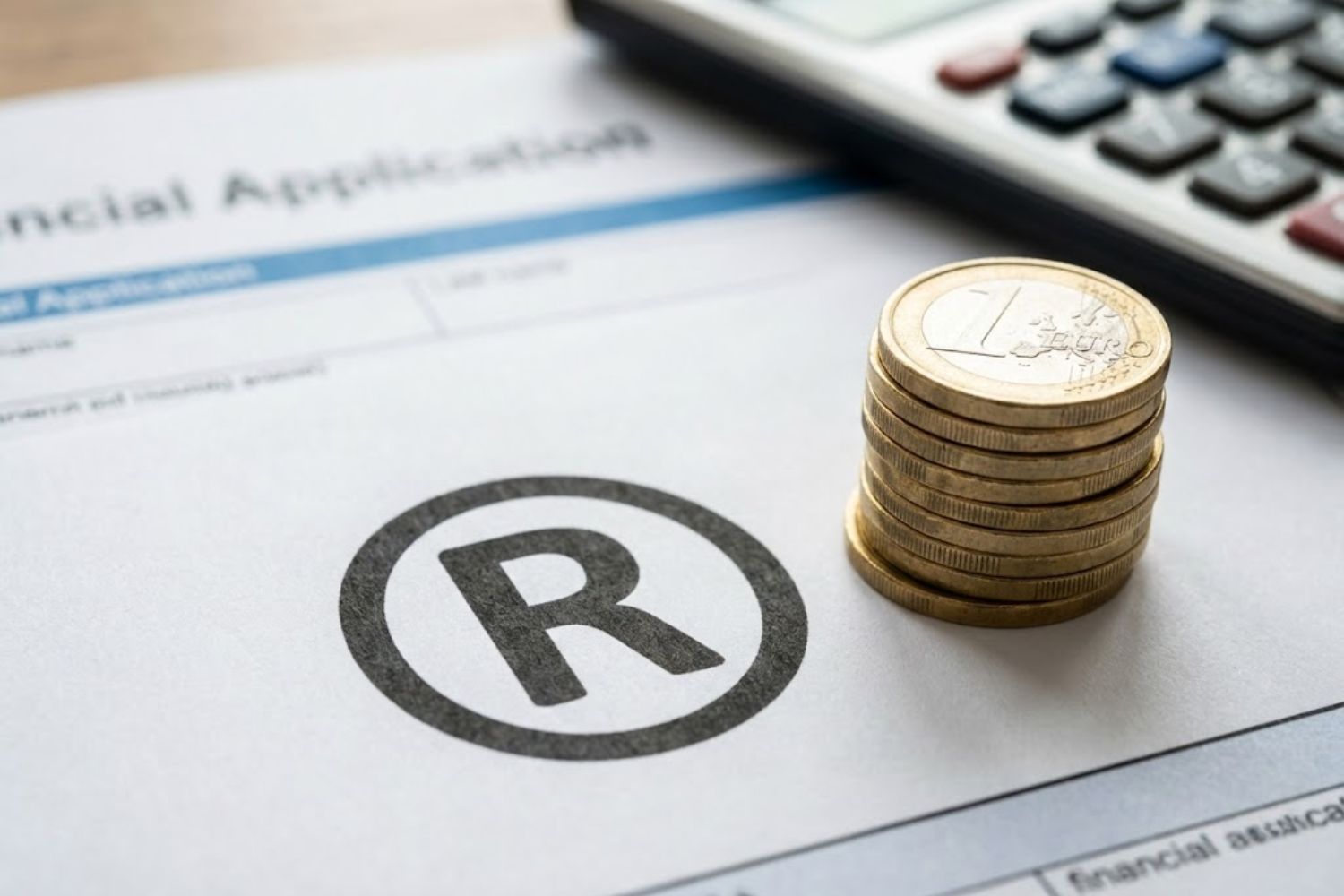
The acquisition of an IP asset requires careful and structured analysis, focused on the economic sustainability of the investment.
Key aspects to evaluate include:
-
legal validity and territorial scope of protection;
-
remaining duration of the patent or level of brand recognition;
-
possibilities for direct use or licensing;
-
consistency with one’s business model;
-
commercial development potential in the medium to long term.
For the buyer, targeted due diligence is essential to transform an intangible asset into a real competitive advantage.
Emerging trends making patents increasingly attractive to investors
Highly innovative sectors are driving demand for patents as investment assets.
According to EPO and WIPO data:
-
applications related to artificial intelligence and machine learning are increasing;
-
there is strong focus on technologies for environmental sustainability;
-
software solutions with patent protection are on the rise.
These trends make patents particularly appealing for those seeking acquisition opportunities in high-growth fields.
Structured markets and online auctions as access channels to IP assets
For those interested in acquisition, trademarks and patents are increasingly available through structured and transparent contexts, especially when they originate from divestments or insolvency proceedings.
In such cases, specialized online auctions allow investors to:
-
access opportunities that would otherwise be difficult to identify;
-
evaluate assets supported by clear documentation;
-
engage with an international pool of operators.
Within this scenario, specialized platforms such as Gobid.it also play a role, as they can, when circumstances require, enable investors and companies to identify intangible assets of interest.
Trademarks and patents are no longer merely tools for protection, but opportunities for acquisition and investment, capable of generating value and opening new paths for industrial development. Understanding how to analyze them and when to acquire them is now a key competence for those operating in the market in an informed and strategic manner.
Correlated Articles

Incentives for Trademarks and Patents: The First Updates for 2025
-
 author: Internal Editorial Team
Find our news

Get the most out of your assets.
Discover how to transform your
movable assets into financial resources.