2026 marks a turning point for Italy’s primary sector, with the definitive transition from the old tax credits to hyper-depreciation schemes linked to energy efficiency and digitalisation. For companies aiming to renew their machinery fleet or improve the efficiency of production facilities, understanding the hierarchy of the new incentives is essential to maximise return on investment and ensure compliance with European sustainability regulations.
What are the main agriculture incentives in 2026?
The main incentives for 2026 include the new Hyper-depreciation scheme for Agriculture 4.0, the Agrisolare Call for photovoltaic systems, and the ISI INAIL Call for workplace safety.
These tools are not simple subsidies, but strategic levers for the “twin transition” (digital and ecological). While PNRR funds focus on energy infrastructure, national fiscal measures aim to reward companies that invest in technologies capable of reducing their carbon footprint and improving data management in the field.
1. Transition 4.0 and Hyper-depreciation: the new fiscal frontier
From 2026, access to tax benefits for technological innovation takes place through an increase in the depreciable cost of capital goods, ranging from 180% to 220% depending on the energy savings achieved.
Unlike the previous tax credit, the new hyper-depreciation scheme directly reduces the company’s taxable base. This mechanism rewards long-term planning, allowing tax depreciation of a value far higher than the amount actually paid to purchase the asset.
-
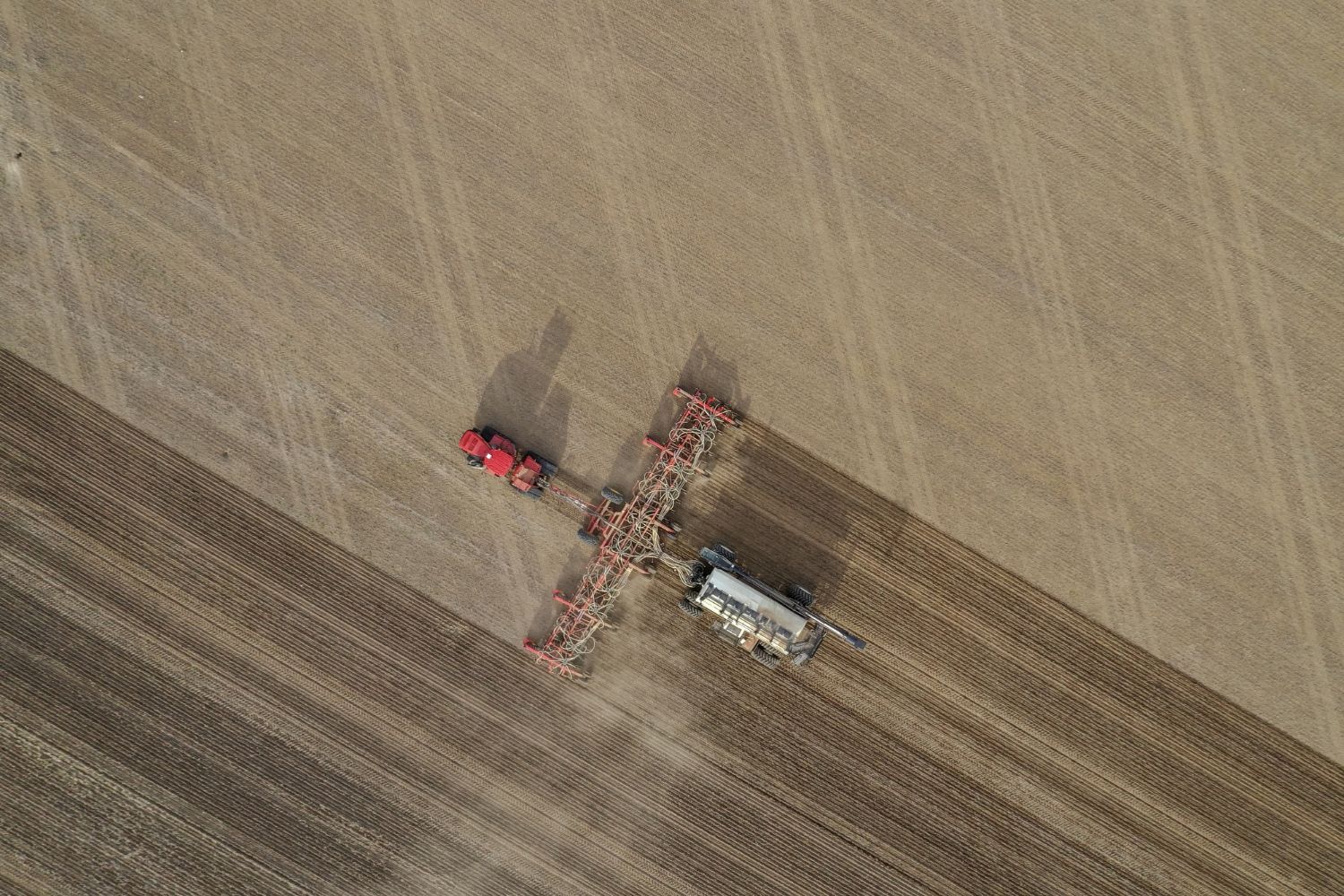
4.0 tangible assets: Autonomous-guidance tractors, smart sprayers and remote monitoring systems benefit from a base uplift of 180%.
-
Energy Efficiency Bonus: If the investment demonstrates a reduction in energy consumption of at least 5% for the relevant process, the depreciable amount rises to 220%.
-
Mandatory interconnection: To activate the benefit, interconnection of the asset to the company management system remains essential, evidenced by a sworn technical appraisal.
2. Agrisolare Call 2026: clean energy with no land take
The Agrisolare Call 2026 provides non-repayable grants of up to 80% for the installation of photovoltaic systems on the roofs of barns, warehouses and rural buildings.
This measure, financed by PNRR funds, aims to make agricultural businesses energy independent. In 2026, the focus shifts not only to energy production, but also to the structural upgrading of the buildings involved.
-
Eligible costs: Purchase and installation of panels, installation of storage systems and charging stations for electric vehicles.
-
Complementary works: Costs for removal of asbestos cement/asbestos, thermal insulation of roofs, and roof refurbishment with ventilation systems are eligible.
-
Caps: The maximum grant per single project can reach €250,000, with reporting deadlines strictly set by the end of the year.