Insulated Vans for Frozen Goods: Models, Classification, and Buyer's Guide
Unlike standard refrigerated vans for fresh produce (+0 °C / +4 °C), distributing ice cream, frozen foods, and frozen seafood requires strict structural specifications to prevent thermal shock during frequent door openings
-
 author: Internal Editorial Team
An insulated deep-freeze van is a commercial vehicle equipped with a reinforced insulated body and a high-performance refrigeration unit, engineered for temperature-controlled transport at -20 °C (or below) in compliance with the cold chain and ATP regulations.
Unlike standard refrigerated vans for fresh produce (+0 °C / +4 °C), distributing ice cream, frozen foods, and frozen seafood requires strict structural specifications to prevent thermal shock during frequent door openings throughout the delivery cycle.
What is ATP certification? Class FRC for sub-zero temperatures
The road transport of perishable foodstuffs is governed by the international ATP agreement (Accord Transport Périssable). To operate legally with deep-frozen goods, a vehicle must meet specific technical requirements:
-
Mandatory FRC approval: This designation identifies a vehicle fitted with a Class C Reinforced Refrigeration unit (Frigorifero Rinforzato di Classe C).
-
Minimum thermal performance: The refrigeration unit must reliably maintain an internal temperature of -20 °C at a reference ambient outside temperature of +30 °C.
-
Body insulation: The overall heat transfer coefficient (K-value) of the insulated walls must not exceed 0.40 W/m²K.
-
Validity and renewals: The initial ATP certificate is valid for 6 years and can be renewed via thermal testing at authorized inspection centers for additional 3-year periods (6+3+3 formula).
Key bodywork configurations for frozen transport
The vehicle build is strictly tied to the operational delivery model, as well as the number of daily stops:
Eutectic plate systems
These represent the standard for mobile vending, ice cream delivery, and high-frequency door-to-door distribution, where doors are opened dozens of times every hour.
-
How they work: Internal plates store cold thermal energy by plugging the van into a three-phase industrial electrical outlet overnight. During working hours, they release passive cold without drawing engine power.
-
Strengths: Maximum thermal stability, immediate recovery of lost temperature after every opening, and zero additional fuel consumption.
-
Weaknesses: Significant tare weight (curb weight), which reduces the vehicle's net payload capacity.
Mechanical compressor refrigeration units
The preferred solution for medium-range logistics, modern food retail distribution (supermarket replenishment), and the Ho.Re.Ca. sector with fewer stops and larger drop-offs.
-
How they work: The refrigerant compressor is driven directly by the vehicle’s engine while driving, supported by an electric stand-by motor during extended stops.
-
Strengths: Lower overall tare weight, higher net payload, and greater flexibility over long hauls.
-
Weaknesses: Slower temperature pulldown during prolonged door openings, along with fuel consumption directly tied to compressor operation.
Multi-compartment bodies with side access doors
A configuration featuring multiple internal compartments accessed via small perimeter hatches rather than a standard rear door. This allows the driver to reach only the required package, drastically limiting the ingress of warm air and moisture into the storage area.
Leading vehicle models on the market
The most common 3.5-tonne commercial chassis (drivable on a standard European category B driving licence) capable of handling the weight of reinforced bodies and refrigeration units include:
-
Iveco Daily (Chassis Cab / Bare Chassis): The benchmark for sturdiness thanks to its C-section steel ladder chassis and rear-wheel drive. It is the most widely used chassis for heavy payloads, eutectic plate builds, and demanding routes.
-
Mercedes-Benz Sprinter: Notable for engine reliability, fuel efficiency, ride comfort on long-distance routes, and advanced on-board telematics. Widely utilized in medium- to large-sized commercial fleets.
-
Fiat Ducato: Its front-wheel-drive configuration ensures a low loading sill and remarkable urban maneuverability, making it ideal for insulated box van builds or panel van conversions serving historic city centers.
-
Renault Master: Delivers a competitive balance of total cost of ownership (TCO), robust mechanical underpinning, and a wide variety of wheelbases for bespoke self-supporting insulated boxes.
What to check before buying an insulated van
-
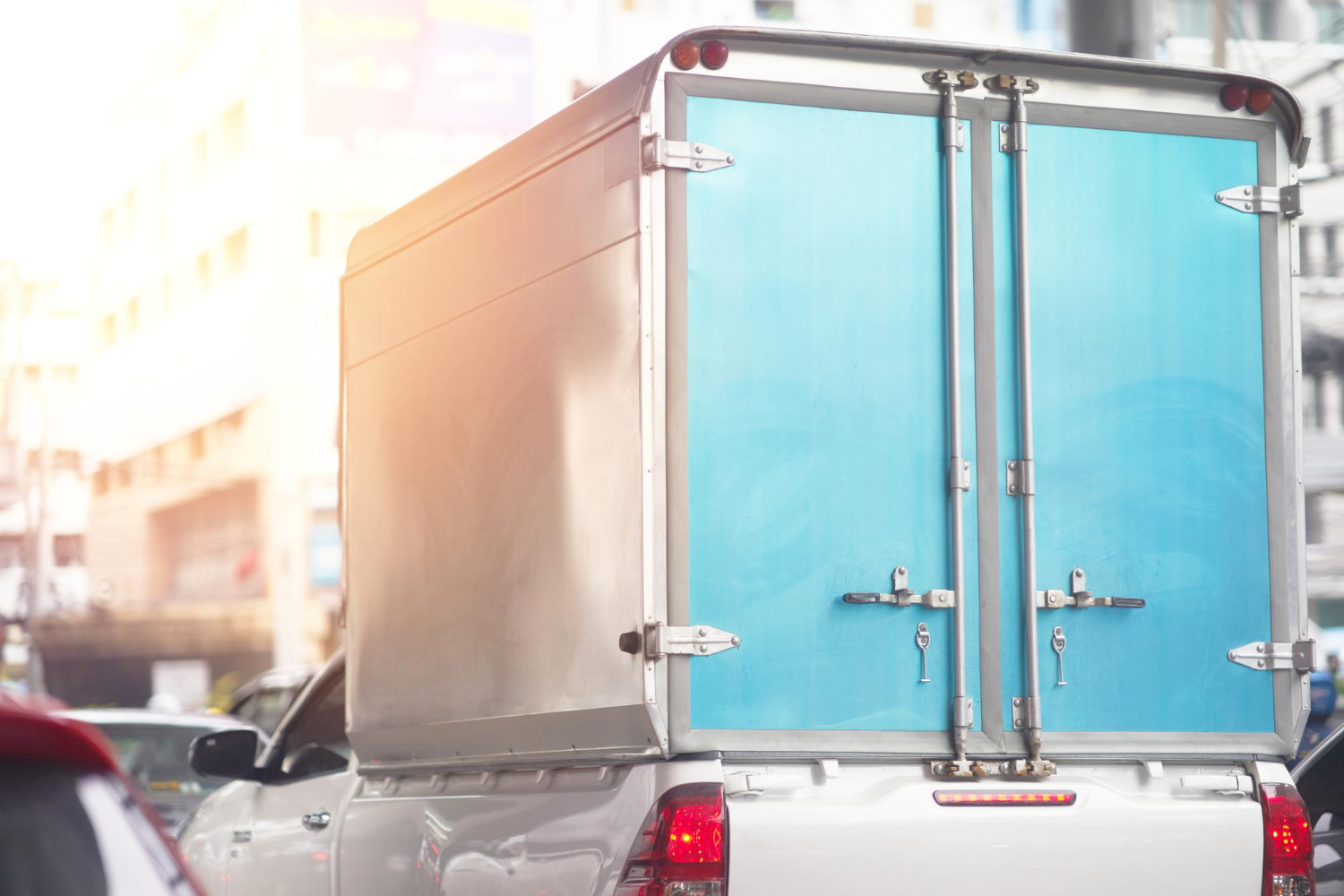
Checking the payload capacity: An FRC-insulated box combined with a refrigeration unit or a set of eutectic plates can add between 700 and 1,200 kg to the gross vehicle weight. Calculating the actual tare weight is essential to ensure the usable payload remains within the 3,500 kg gross vehicle weight limit.
-
EN 12830-compliant temperature recorder: Installing certified data loggers and probes is mandatory to document and prove cold-chain compliance in the event of health inspections or customer disputes.
-
Hot-gas defrost systems: Essential on compressor-driven systems to rapidly clear frost buildup from evaporators during intensive delivery shifts.
-
Dual-temperature configurations: Incorporating a movable or fixed bulkhead allows the management of two independent climate zones—one for frozen goods at -20 °C and another for fresh goods at +4 °C—multiplying the vehicle’s logistical versatility.
Purchasing a sub-zero insulated vehicle often involves a substantial financial investment due to the high-grade insulation materials and the technical complexity of the certified refrigeration equipment.
For food distribution companies, transport cooperatives, and independent professionals looking to add ATP-certified vehicles while optimizing their capital expenditure, the market for pre-owned commercial vehicles from liquidations and insolvency proceedings offers a practical alternative to new purchases. Specialized platforms like Gobid.it provide a curated selection of insulated vans at auction across Italy, enabling cold chain operators to acquire road-ready, fully compliant vehicles on favorable terms.
Internal Editorial Team
Find our news

Get the most out of your assets.
Discover how to transform your
movable assets into financial resources.